 by
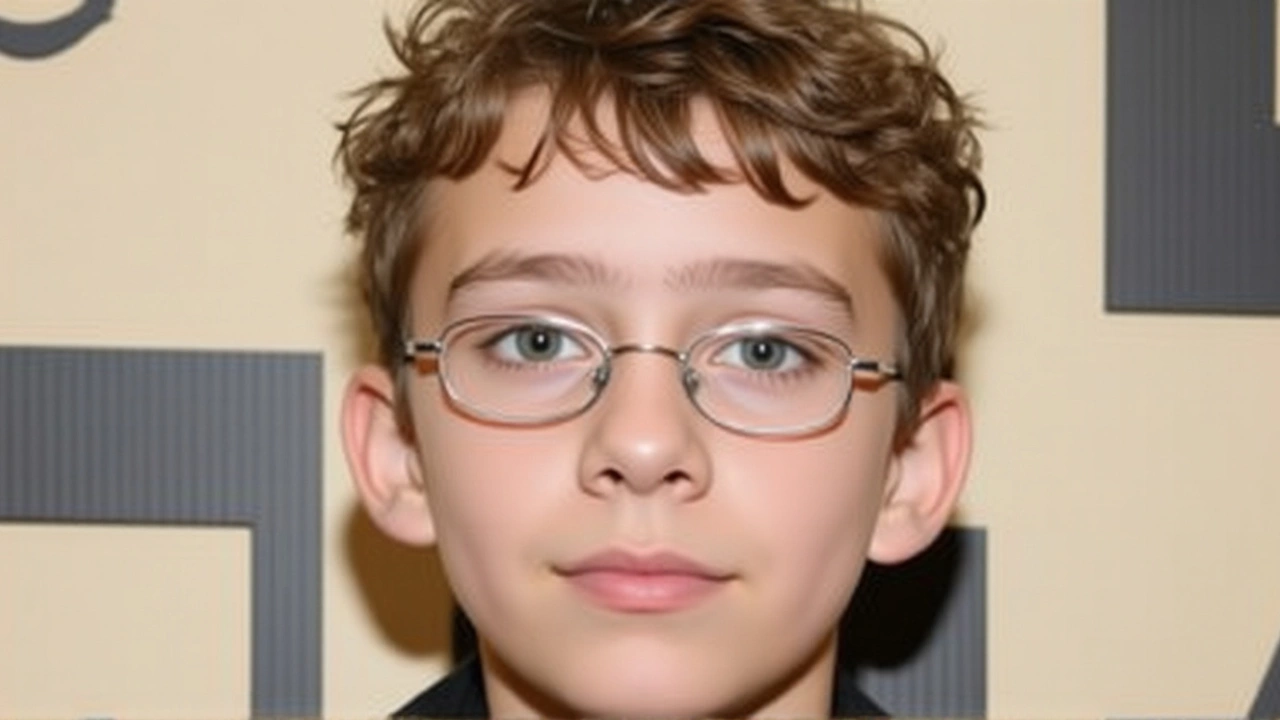
by Sawyer Sweeten’s Siblings Reveal Trauma Behind 'Everybody Loves Raymond' Fame at 30th Anniversary Reunion
26 Nov, 2025When Sawyer Sweeten died by suicide at 19, the world lost more than a child star—it lost a boy who, like so many others, struggled with the invisible cost of growing up in Hollywood. His death on April 23, 2015, in Riverside, California, went largely misunderstood at the time: no public signs of depression, no dramatic breakdowns, just a quiet end nineteen days before his 20th birthday. But at the 'Everybody Loves Raymond' 30th Anniversary Reunion SpecialNew York City, aired November 24, 2025, his siblings Madylin Sweeten and Sullivan Sweeten finally spoke what many had suspected: the show that made them famous also stole pieces of their childhood.
The Cost of Fame Before the Curtain Call
Sawyer, his twin Sullivan, and older sister Madylin were cast as the Barone children when they were toddlers. Born in Brownwood, Texas, to parents Timothy Lynn “Tim” Sweeten and Elizabeth Millsap Gini, the family moved to California when the twins were just six months old. Less than a year later, they were on set, playing the sons and daughter of Ray and Debra Barone. For nine seasons, from 1996 to 2005, they lived a life most kids only dream of—on TV, in front of millions, with a paycheck and a spotlight. But behind the laughter, there were long hours, missed school days, and isolation from peers who didn’t understand what it meant to be a working child actor. "We both definitely enjoyed being on the show," Sullivan said during the reunion. "But afterwards... I still have trouble talking to people, just on a regular, day-to-day basis. I think he kind of blamed Hollywood for that a little bit." Madylin added, "Sawyer was a little bit more frustrated with being on TV, later." The contrast between their on-screen joy and off-screen quiet despair was stark. "He was a funny and exceptionally bright young man," said Patricia Heaton, who played his mother. "He is gone from us far too soon.""We Would Never Reboot Without Them"
Ray Romano, who portrayed Ray Barone, didn’t mince words. "We are missing three cast members—and family members—so we would never try to do it without them," he said, naming Sawyer Sweeten, Peter Boyle (Frank Barone), and Doris Roberts (Marie Barone). The emotional weight of those words hung in the studio. Boyle died in 2006, Roberts in 2016, and Sawyer in 2015. Their absence wasn’t just professional—it was personal. "The Sweeten family was our family for those nine years," said Brad Garrett, who played Uncle Robert. "My deepest condolences and love go out to them." The reunion wasn’t a celebration of nostalgia. It was a reckoning. The laughter felt heavier. The hugs lingered longer. Romano, Heaton, Garrett, and Monica Horan sat together, not as actors, but as witnesses to a tragedy that unfolded quietly, far from the studio lights.
The Aftermath: A Family’s Mission
What followed Sawyer’s death was silence—until now. Madylin Sweeten revealed the family’s quiet, persistent advocacy: "We’re very passionate about suicide prevention." She cited chilling statistics: "It is the second leading cause of death between ages 18 and 25. But 90 percent of people who seek treatment are cured." Her words weren’t performative. They were a lifeline. The Sweetens now partner with the National Suicide Prevention Hotline, promoting the 988 helpline as a lifeline for struggling young adults. "Everybody was shocked," their former manager Dino May told Us Weekly at the time of Sawyer’s death. "No depression, no nothing." That’s the dangerous myth: that mental health crises always scream for help. Sawyer’s case is a brutal reminder that sometimes, they whisper—and too often, no one is listening.
Why This Matters Now
Child actors aren’t the only ones affected. Every year, thousands of young people—athletes, musicians, influencers, students—face the same invisible pressures: performance expectations, social isolation, identity erosion. The Sweetens’ story isn’t unique, but their willingness to speak publicly is rare. And it’s needed. A 2023 study by the American Academy of Pediatrics found that former child actors are 3.5 times more likely to report clinical depression by age 25 than their non-celebrity peers. The reasons? Lost adolescence, disrupted education, and the abrupt transition from being "needed" to being forgotten. Sawyer Sweeten didn’t die because he was sad. He died because he was alone with a pain no one saw coming. The reunion didn’t bring closure. But it brought visibility. And sometimes, that’s the first step toward healing.Frequently Asked Questions
How did Sawyer Sweeten’s role on 'Everybody Loves Raymond' contribute to his mental health struggles?
Sawyer and his siblings were cast as infants and worked for nearly a decade, missing typical childhood experiences like school socialization and peer relationships. His twin Sullivan later admitted they both struggled with social anxiety after filming ended, and Sawyer reportedly blamed Hollywood for disrupting his development. The pressure to perform, lack of normalcy, and sudden loss of structure after the show ended created a void that wasn’t addressed.
Why won’t the 'Everybody Loves Raymond' cast reboot the series?
Ray Romano explicitly stated the show would never be rebooted because three core cast members—Sawyer Sweeten, Peter Boyle, and Doris Roberts—are gone. Their absence isn’t just professional; it’s familial. The cast considered the Sweetens part of their extended family, and reimagining the show without them would feel like erasing their memory.
What is the Sweeten family doing now to honor Sawyer’s memory?
Madylin and Sullivan Sweeten actively advocate for suicide prevention through partnerships with the National Suicide Prevention Hotline (988). They emphasize that 90% of people who seek mental health treatment recover, and they urge young adults to reach out. Their goal is to turn grief into prevention, ensuring others don’t suffer in silence like Sawyer did.
Is suicide really the second leading cause of death for young adults?
Yes. According to the CDC and the National Institute of Mental Health, suicide is the second leading cause of death among individuals aged 15–24 and remains in the top three for ages 25–34. Rates have climbed since 2010, especially among young men, who are less likely to seek help due to stigma. The Sweetens’ advocacy directly addresses this gap in awareness and access to care.
How common are mental health struggles among former child actors?
Research from the American Academy of Pediatrics shows former child actors are significantly more likely to experience depression, anxiety, and substance abuse by adulthood. Factors include disrupted education, identity confusion after fame fades, and lack of support systems. The Sweetens’ experience mirrors patterns seen in other former child stars, from 'The Wonder Years' to 'Full House,' underscoring a systemic failure in the entertainment industry.
What can viewers do to support suicide prevention efforts?
Call or text 988 anytime for free, confidential support. Learn the warning signs: withdrawal, giving away possessions, talking about hopelessness. Check in on friends—even if they seem fine. The Sweetens stress that treatment works, but only if someone reaches out. You don’t need to fix someone’s pain—you just need to be there.